

IMPORTANT UPDATE: Please visit our improved and user-friendly website for latest news and information about ALS research, care services, and advocacy. Be sure to bookmark us in your browser favorites at alsagoldenwest.org.
Please visit our improved and user-friendly website for latest news and information about ALS research, care services, and advocacy. Be sure to bookmark us in your browser favorites at alsagoldenwest.org.
Please visit our improved and user-friendly website for latest news and information about ALS research, care services, and advocacy. Be sure to bookmark us in your browser favorites at alsagoldenwest.org.
ASK ME: ALS from the Caregivers Perspective
In honor of National Family Caregivers Month, our next ASK ME educational webinar, “ALS from the Caregiver’s Perspective,”as we discuss ALS from the perspective of two women who each cared for a person living with ALS.
Panelists will include Mari Fuentes, who cared for her husband, filmmaker Anton Maillie, and Trish Rice, who cared for her son, writer and poet Ryan Farnsworth. We are grateful to both Mari and Trish, who continue to honor their loved ones by supporting our mission and the ALS community.
ASK ME: ALS from the Caregivers Perspective
In honor of National Family Caregivers Month, our next ASK ME educational webinar, “ALS from the Caregiver’s Perspective,” as we discuss ALS from the perspective of two women who each cared for a person living with ALS.
Panelists will include Mari Fuentes, who cared for her husband, filmmaker Anton Maillie, and Trish Rice, who cared for her son, writer and poet Ryan Farnsworth. We are grateful to both Mari and Trish, who continue to honor their loved ones by supporting our mission and the ALS community.








Calendar of Activities and Events
There is always something going on at the Golden West Chapter. Please check out our calendar to see what is happening this month and to save the date for future activities and events. From our monthly support groups to our community outreach events, there are many opportunities for you and your family to connect with us.
Mark Your Calendar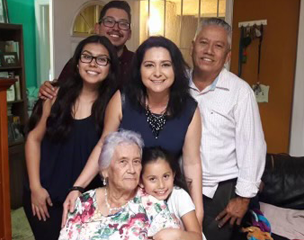
Recursos en Español para personas que viven con ELA
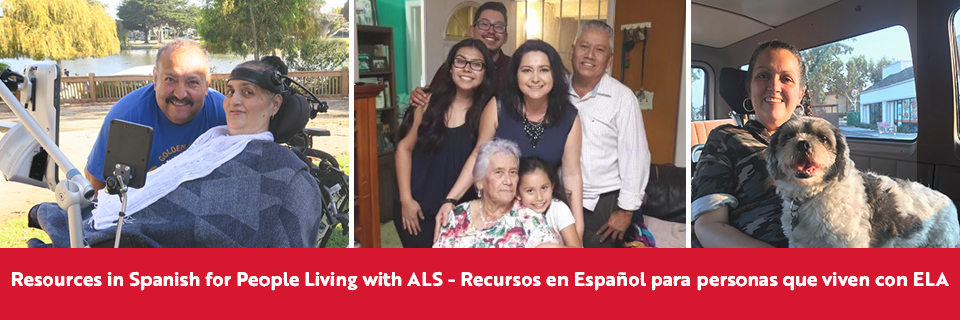
Uno de los desafíos que pueden surgir para las personas que viven con ELA y sus seres queridos es encontrar recursos en Español. El Capítulo Golden West de la Asociación de ELA, ofrece recursos para aquellos afectados con ELA. Los encuentra en Español en nuestro sitio web.
Aprende más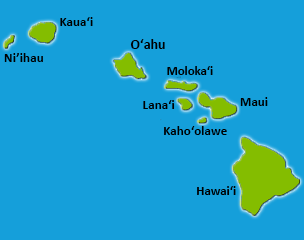
Serving Hawaii’s ALS Community
The Golden West Chapter serves families facing ALS throughout all of the Hawaiian Islands. Please visit our Hawaii ALS community page to learn more about local activities, monthly support groups, outreach events, and important news. Mahalo lui noa for your support!
Learn More
More Ways to Give
There are many ways that you can support the Golden West Chapter, from setting up a fundraiser on Facebook, to shopping on Amazon Smile, and purchasing one or more of books written by members of our ALS community.
Learn More
Walk to Defeat ALS
Our Walk to Defeat ALS® events are held between April and November throughout the Golden West Chapter's service area. These annual community outreach events are critical components of the Chapter’s care services, fundraising, and public awareness efforts in the fight against ALS. They are an opportunity to come together and honor people with ALS and their families, learn important information, and to show your support for the ALS community.
Find A Walk Near You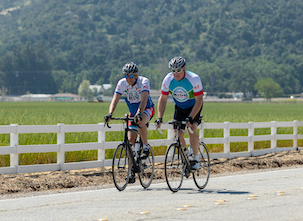
Ride to Defeat ALS and Team Challenge ALS
Team Challenge ALS is The ALS Association Golden West Chapter's comprehensive endurance program to help fight ALS. Combine your passion and commitment to finding a cure for ALS while achieving physical challenges by participating in athletic events, such as our Rides to Defeat ALS, hikes, marathons, 5k's, basketball tournaments, and other endurance activities.
Learn More
Host your own event to support our Chapter
Using our online event tool, One Dollar Difference is an easy way to start fun and creative events to help raise funds on behalf of the Golden West Chapter. You can help support the ALS community and create a custom web page to promote your fundraiser anytime and anywhere! So go ahead and run a marathon, host a local community event, or donate your birthday to raise funds and help create a world without ALS.
Get Started
Celebrate a Loved One with ALS
Pay tribute to a friend or loved one affected by ALS by joining our Community of Hope. You can create a personalized web page, including photos and video, to share their story with your supporters and establish a lasting legacy in honor or memory of someone special's battle with ALS. It's quick and easy to get started, and we're here to help every step of the way!
Learn More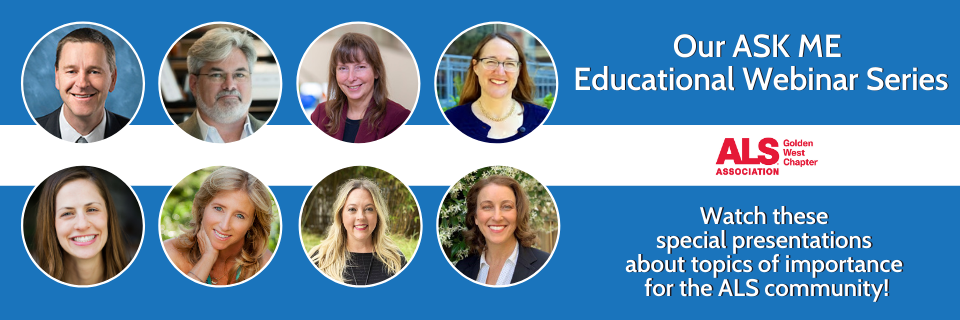

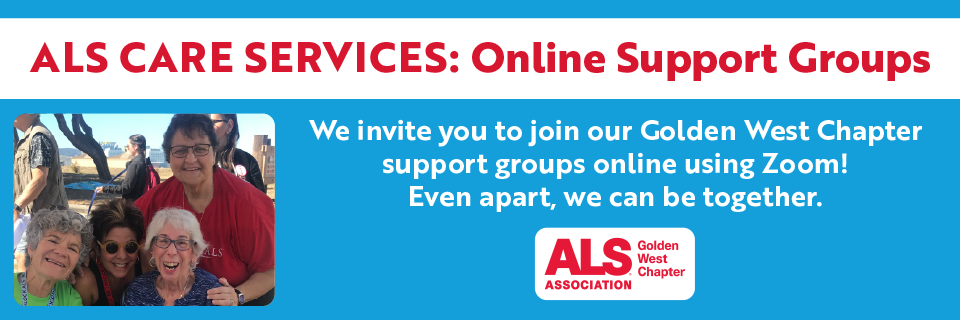
Whether you’re newly diagnosed, navigating your journey with the disease, caring for a person with ALS, or researching the cure, there are resources to support you.

Let us help you and your family cope with the day-to-day challenges of living with ALS.
For People with ALS
Learn about our grant program, upcoming scientific meetings, and opportunities to collaborate.
For Researchers
Caring for someone with ALS can be challenging. We offer resources and support to help.
For Caregivers-
Fighting to Ensure Better Access to ALS Clinic Care for Everyone Who Needs It
February 28, 2024 -
Enhancing Mobility, Communication, and Quality of Life through Assistive Technology Research
February 27, 2024 -
Telling Her Story for Herself, and For the ALS Community
February 23, 2024 -
Barnett Drug Development Program is Helping Six New Therapies Move Closer to Clinical Trials
February 16, 2024 -
What Comes to Mind When You Hear the Word Joy? THIS.
February 14, 2024
Sign up to receive the latest news in ALS and learn how you can continue making a difference in the search to treat and cure this disease.

Your gift will help The ALS Association Golden West Chapter support research to find treatments and cures for ALS, provide much-needed services to people with ALS and their families, and fund important public policy initiatives on behalf of the ALS commmunity. By becoming a part of the Golden West Chapter and making your gift today, you will help provide help and hope to thousands of people affected by ALS.